

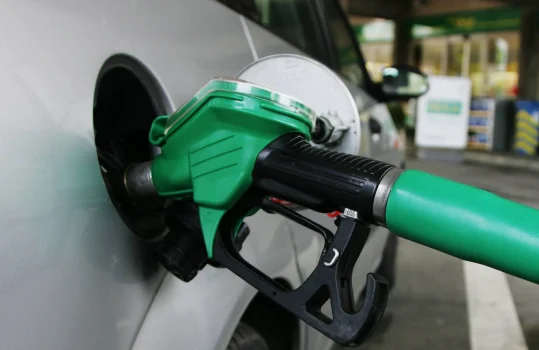
Filling stations across Nigeria, including outlets operated by MRS Oil Nigeria Plc, have increased the pump price of Premium Motor Spirit following a fresh price adjustment by the Dangote Refinery.

The adjustments came less than 24 hours after the 650,000-barrel-per-day refinery raised its gantry price of petrol by N70 to about N1,245 per litre on Friday.
Checks on Saturday indicated that MRS filling stations in Abuja and surrounding areas raised their pump price by N100, from N1,267 to N1,367 per litre.
Other marketers, including Ranoil, Empire Energy, and AA Rano, also adjusted their prices upward to N1,440, N1,430, and N1,370 per litre, respectively.
A manager at one of the MRS outlets, who spoke on condition of anonymity, confirmed the development, attributing the increase to the recent upward review in the refinery’s gantry price.
He said, “MRS stations are now dispensing petrol at N1,367 per litre, representing an increase of N100 from the previous N1,267. This follows the latest adjustment in Dangote Refinery’s gantry price.”
With the latest development, petrol prices across major retail outlets now range between N1,367 and N1,440 per litre, while stations operated by the Nigerian National Petroleum Company Limited still sell at about N1,261 per litre.
Industry data indicated that the refinery currently accounts for about 61 per cent of Nigeria’s domestic petrol supply, according to figures from the Nigerian Midstream and Downstream Petroleum Regulatory Authority.
The latest increase is expected to further impact consumers, as it follows a series of price hikes in recent weeks.
READ ALSO
- 2027: Tompolo rallies Taraba for Tinubu, donates 25 campaign vehicles
- Teni Challenges Tiwa Savage To Celebrity Boxing Match
- Nnadozie, Ajibade, Key Players To Arrive Remo Camp Late For Comoros Double-header
- Kidnappers demand N1bn ransom for 20 corps members
- MUSWEN President Oladejo appointed NSCIA BoT member
Analysts, however, attributed the development to rising global crude oil prices, which climbed above $110 per barrel amid geopolitical tensions involving Iran, the United States, and Israel, with implications for fuel costs in Nigeria and other economies.
