



By Ado Oyeyemi

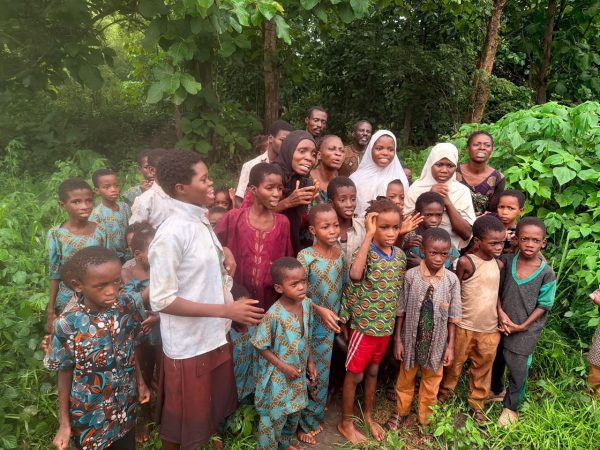
One of the teachers rescued after spending 56 days in the custody of kidnappers in Oyo State, Zacchaeus Olatunde, has claimed that he and other captives were released by their abductors before security operatives escorted them to safety.
Olatunde made the disclosure during a telephone interview, where he recounted the ordeal of teachers and pupils abducted from schools in Oriire Local Government Area.
According to him, the victims were blindfolded throughout their captivity, leaving them unable to identify their location.
He said the abductors spoke Hausa, Nupe, English and Yoruba and identified themselves as members of the Islamic State West Africa Province, insisting they were not affiliated with Boko Haram.
The teacher said the captives remained hopeful despite their ordeal, believing that prayers offered on their behalf would eventually secure their freedom.
Describing life in captivity, Olatunde said the kidnappers provided them with two meals daily, consisting mainly of rice, beans, onions, margarine and salt.
However, he noted that the victims, particularly the teachers, were unable to bathe or wash their clothes throughout the 56 days.
He also alleged that the abductors initially prohibited them from praying but later relaxed the restriction after about a month, although they reportedly warned them against mentioning the name of Jesus or praying aloud.
Olatunde said their release came unexpectedly when the leader of the kidnappers informed them they were free and instructed them to open their eyes.
He explained that he became the last person to leave the camp because a broken handcuff key delayed his release.
According to him, the kidnappers eventually removed the handcuff with a rope before directing him to follow the others.
The teacher further recalled that after leaving the camp, the victims trekked for nearly an hour before motorcycles provided by the abductors conveyed them close to a nearby village.
They then continued on foot until they encountered security personnel.
He said the group was initially afraid of the security operatives because they were speaking Hausa and arrived in unmarked buses bearing Arabic inscriptions.
However, the officers later assured them they had been sent by the government to receive them.
Olatunde also narrated how he assisted younger pupils during the journey, carrying one little girl and helping several children and adults cross rivers safely.
He revealed that he was captured during the attack because arthritis in his left leg prevented him from escaping.
He added that medication given to him by the kidnappers unexpectedly eased the pain he had battled for a long time.
The teacher disclosed that despite returning home safely, he had yet to receive any financial assistance, adding that his greatest concern was the welfare of his school.
The teachers and pupils were abducted in May after armed men attacked schools in Oriire Local Government Area of Oyo State.
Following their release, Governor Seyi Makinde confirmed that the victims had regained their freedom after 56 days in captivity.
The governor also directed that they receive medical treatment and psychosocial support while calling for a United Nations-backed investigation into the circumstances surrounding the abduction.
READ ALSO
- Ahead FRANCE 2019
- ARTICLES
- Business
- Crime & Security
- Faith
- Foreign News
- Health
- Intimacy
- Lifestyle & Entertainment
- News
- Opinion
- Photo News
- Politics
- Sports
- Top Stories
- Uncategorized
- Tinubu appoints Special Adviser on National Assembly – Reps
- WAFCON 2026: Algeria cruise past Senegal to win tournament opener
- Adeleke, Accord Party stakeholders endorse Tinubu for 2027
- Polytechnic suspends six lecturers over sexual harassment, cultism
- How NDLEA arrested Lagos trader over cocaine hidden in food cartons bound for UK
However, the Special Adviser to the President on Information and Strategy, Bayo Onanuga, maintained that Nigeria’s security agencies had already explained how the victims were rescued, describing the governor’s request as suggesting a lack of confidence in the country’s security institutions.
