

By Ado Oyeyemi

At least 28 people have been killed in a fresh wave of attacks across Plateau State despite a dusk-to-dawn curfew imposed by the state government to curb the escalating violence.
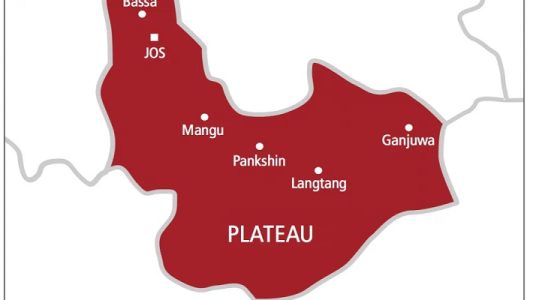
The killings have been recorded in Mangu, Bokkos and Barkin Ladi Local Government Areas, where residents have continued to live in fear, with farming and cattle grazing activities severely disrupted.
The latest incident occurred on Sunday evening when suspected gunmen attacked a vehicle conveying Fulani herders around Total filling station in Bukuru, Jos South Local Government Area, killing two people and injuring six others.
The Chairman of the Miyetti Allah Cattle Breeders Association of Nigeria in Plateau State, Ibrahim Yusuf Babayo, confirmed the attack to journalists in Jos on Monday.
Babayo said the victims were returning from a cattle market and heading towards Bassa Local Government Area when the gunmen attacked them at about 5:30pm.
He condemned the attack as unprovoked and urged security agencies to identify and arrest those responsible. He added that the injured victims had been taken to hospital for treatment, while one person was still missing.
The latest attack came less than two weeks after five Fulani herders were killed and another injured by gunmen around Kassa community in Barkin Ladi while they were transporting cattle from Bokkos to Jos South.
The renewed violence has raised fresh concerns over the effectiveness of the curfew imposed by the state government on September 21 in Barkin Ladi, Bokkos and Mangu.
The restriction, which runs from 6pm to 6am daily, was introduced after a series of deadly attacks, with security agencies directed to enforce it alongside a ban on motorcycles in the affected areas.
However, several attacks have been recorded since the curfew came into force.
On September 22, a police officer attached to Operation Rainbow was killed when gunmen reportedly ambushed security operatives along Gagshi Road, while three Berom farmers were also killed at Rakok community in Barkin Ladi.
Three vigilantes were subsequently killed at the Kyikyau-Gyambwas boundary in Mangu, while two Berom miners were killed at Gangare community, Barkin Ladi, on September 23.
The violence continued on September 24 when a Fulani herder was killed and about 30 cattle were reportedly rustled around Banka village in Mangu.
On September 25, three vigilantes, including a youth leader, were killed after gunmen attacked Kassa community in Barkin Ladi in the early hours of the day.
Five miners were also killed and two others injured on September 26 when gunmen reportedly ambushed them at Marit community in Barkin Ladi.
The attacks spread to Mangu on September 27, when a herding community in Lamor, Pushit District, was attacked.
More than 20 cattle were reportedly killed, while several others were injured and over 70 remained missing.
Three women working at a mining site in Rakum community, Barkin Ladi, were killed on September 28, while another person sustained injuries.
A 14-year-old Fulani herder, Aliyu Ismail, was also reportedly killed around Wereng community in Riyom Local Government Area on October 1.
On October 3, two Berom men from Heipang District, Barkin Ladi, were reportedly shot dead at a mining site around Kuru Jenta, near the boundary between Jos South and Barkin Ladi.
The sustained violence has also paralysed economic activities, with farmers and herders in affected communities reducing their movements over fears of being attacked.
A farmer in Barkin Ladi, Paul David, said residents could no longer access farms located far from their communities because of insecurity.
Similarly, a herder in the area, Habibu Ibrahim, said cattle grazing had become increasingly dangerous, with herders facing the risk of being killed or having their livestock rustled.
The violence has further deepened longstanding tensions between Berom and Fulani communities, with both sides frequently accusing each other of attacks.
The conflict has been fuelled by disputes over land, farming and grazing, as well as longstanding ethnic and religious tensions in the state.
Despite several government interventions and peacebuilding initiatives, attacks have continued in parts of Plateau, prompting renewed calls for stronger security measures, improved intelligence gathering and greater involvement of local communities in peace efforts.
Stakeholders have also urged the government to strengthen security in rural communities not adequately covered by the curfew and address the underlying causes of the crisis.
READ ALSO
- Zamfara Speaker says 8 defected lawmakers were suspended long ago for gross misconduct
- Cubana Chief Priest Shows Off Weight Loss Progress
- Sheggz Addresses Claims He Lived Off Ex-Girlfriend Bella
- Don, TMC blame Nigeria’s woes on lack of ethical leadership
- 19 players in camp ahead of Super Eagles’ Russia friendly
With at least 28 people killed amid the restrictions, residents are demanding more effective protection of vulnerable communities and urgent measures to halt the cycle of violence.
